۶

Sponge Iron (Direct Reduced Iron, DRI)

What It Is:

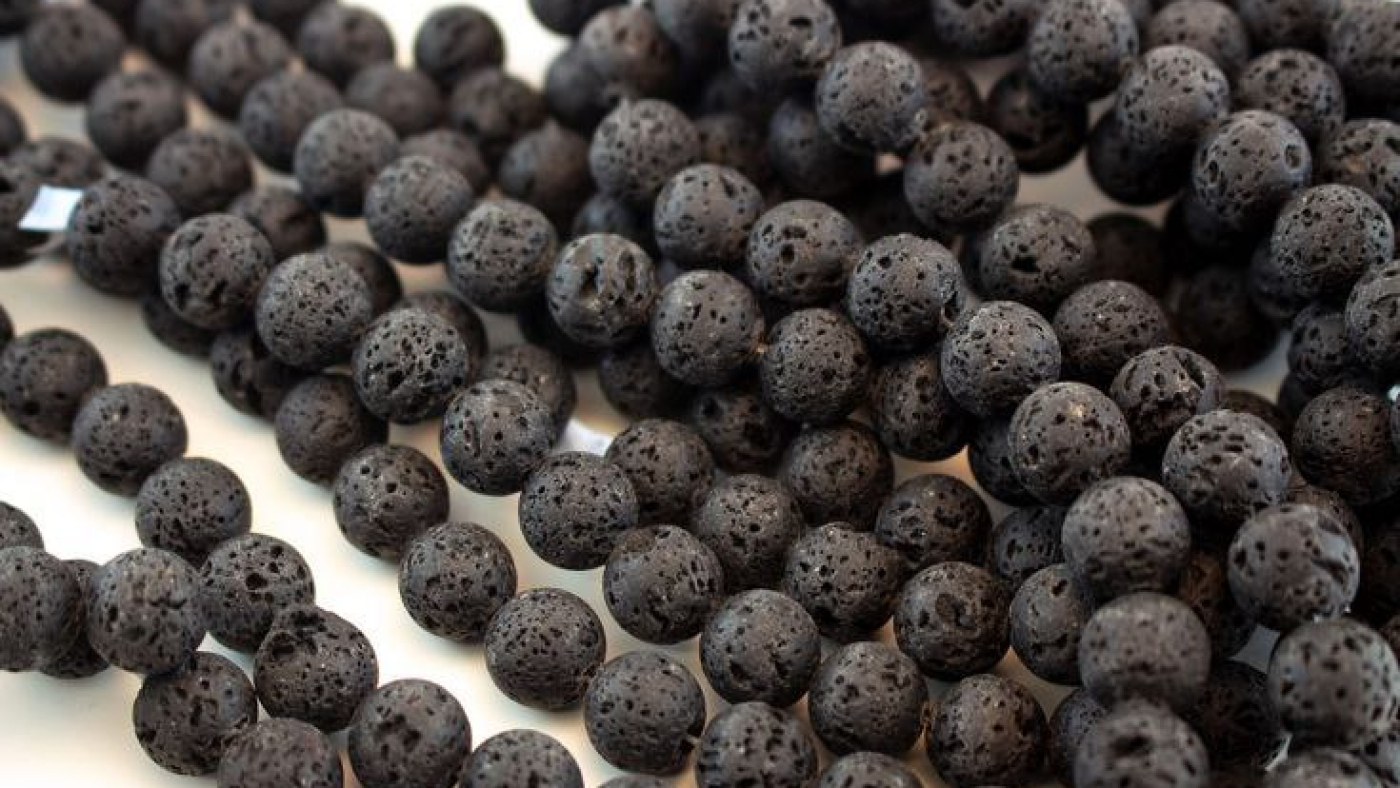
  • Porous iron (90–94% Fe) produced by chemically reducing pellets or lumps without melting, using natural gas or coal.

Forms:

  • DRI: Lumpy or powdery form, prone to rusting.

  • HBI (Hot Briquetted Iron): Compressed DRI for safer transport.

How It’s Produced:

  1. Reduction:

    • Gas-based (MIDREX®/HYL): Pellets reduced using syngas (H₂ + CO) at 800–1,050°C.

    • Coal-based (Rotary Kiln): Common in India and China, using coal as the reductant.

  2. Cooling:

    • The reduced iron is cooled to prevent re-oxidation.

Applications:

  • Electric Arc Furnaces (EAFs): DRI mixed with scrap to produce high-purity steel with low copper and other residuals.

  • Alternative to scrap: Especially important in regions with limited scrap supply, such as the Middle East.

  • Green steel: Has future potential through hydrogen-based DRI (e.g., HYBRIT project).

Top Producers:

  • Gas-based: Iran, Saudi Arabia, USA (using MIDREX plants).

  • Coal-based: India (the world’s largest DRI producer).

Comparative Summary

Product

Iron Content

Production Method

Key Use

Concentrate

60–70% Fe

Beneficiation of low-grade ore

Pellet feedstock, BF input

Pellets

65–72% Fe

Concentrate + induration

BF/DRI plants, shipping-friendly

DRI

90–94% Fe

Gas or coal reduction of pellets

EAFs, green steel potential

WhatsApp Image 2025-05-10 at 13.08.10_2216627b

Iron Ore Pellets

What It Is:

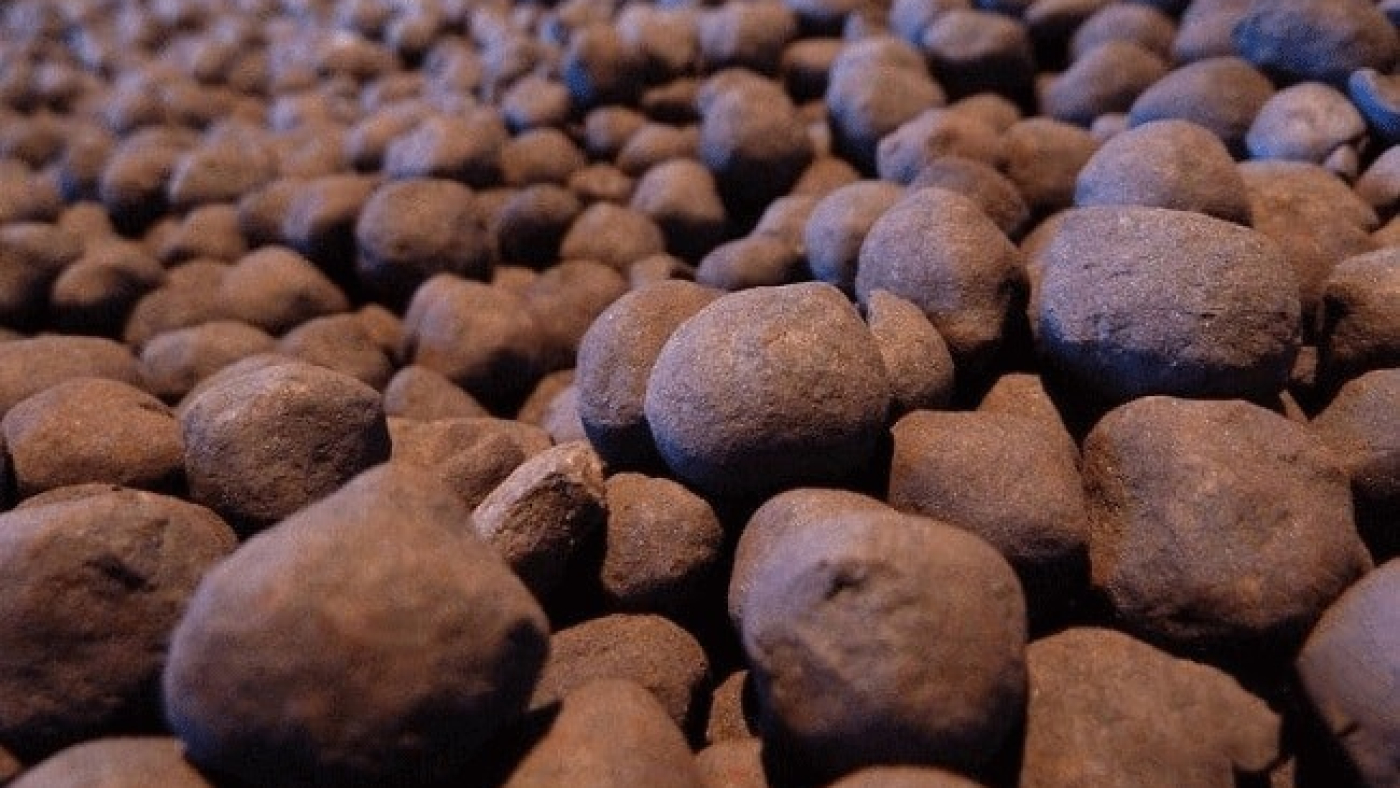
  • Uniform, hardened spheres (6–16 mm diameter) made from concentrate and binders (e.g., bentonite), fired at 1,200–1,300°C to achieve high strength.

  • Iron content: 65–72% Fe.

How It’s Produced:

  1. Mixing:

    • Concentrate and binder are mixed and rolled into green pellets.

  2. Induration:

    • Drying: Heated to around 300°C to remove moisture.

    • Firing: Heated to about 1,300°C to harden the pellets by oxidizing magnetite to hematite.

    • Cooling: Air-cooled for safe storage and shipping.

Applications:

  • Blast Furnaces (BF): Preferred for high efficiency due to low slag formation and uniform size.

  • Direct Reduction (DRI): Used with natural gas to produce sponge iron (DRI).

  • Shipping: Pellets are dust-free and dense, which lowers freight costs.

Market Insight:

  • Premium product: Pellets trade at approximately 30% higher prices than concentrate.

  • Top exporters: Brazil, Sweden, and Canada.

۵

Iron Ore Concentrate

What It Is:

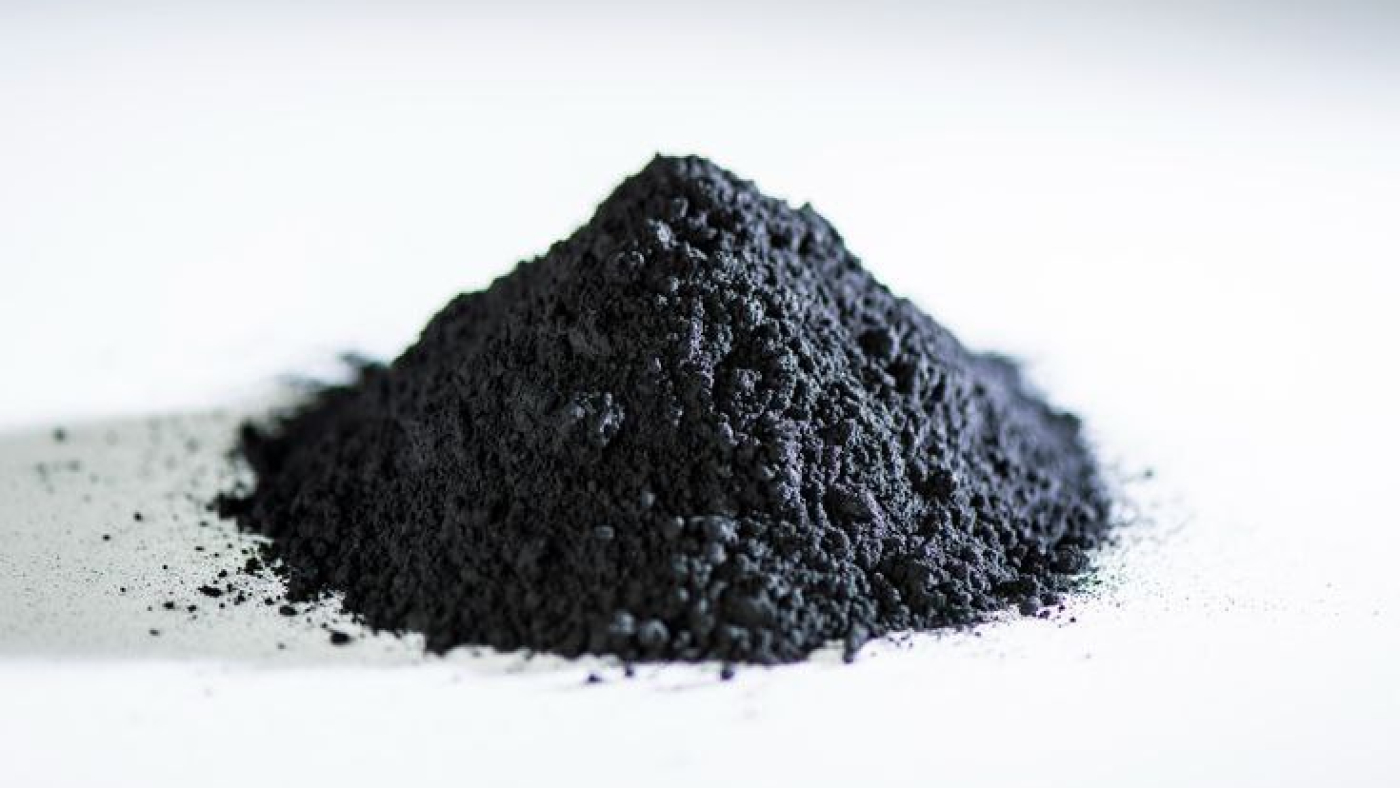
  • A high-grade iron ore powder (60–70% Fe) obtained by removing impurities such as silica and alumina from low-grade ore through crushing, grinding, and beneficiation processes like magnetic separation or flotation.

  • Appearance: Fine, dark-gray powder.

How It’s Produced:

  1. Mining:

    • Extracted from open-pit or underground mines.

  2. Beneficiation:

    • Crushed ore is mixed with water, and magnetic separators remove impurities like silica.

    • The result is filtered and dried into concentrate powder.

  3. Pelletizing (Optional):

    • The concentrate can optionally be processed further into pellets.

Applications:

  • Primary use: As feedstock for iron pellet production.

  • Blast Furnaces (BF): Often mixed with pellets and coke to produce pig iron.

  • Direct Shipping Ore (DSO): Some high-grade concentrates are exported directly, such as from Brazil to China.

Key Producers:

  • Vale (Brazil), Rio Tinto (Australia), Metinvest (Ukraine).