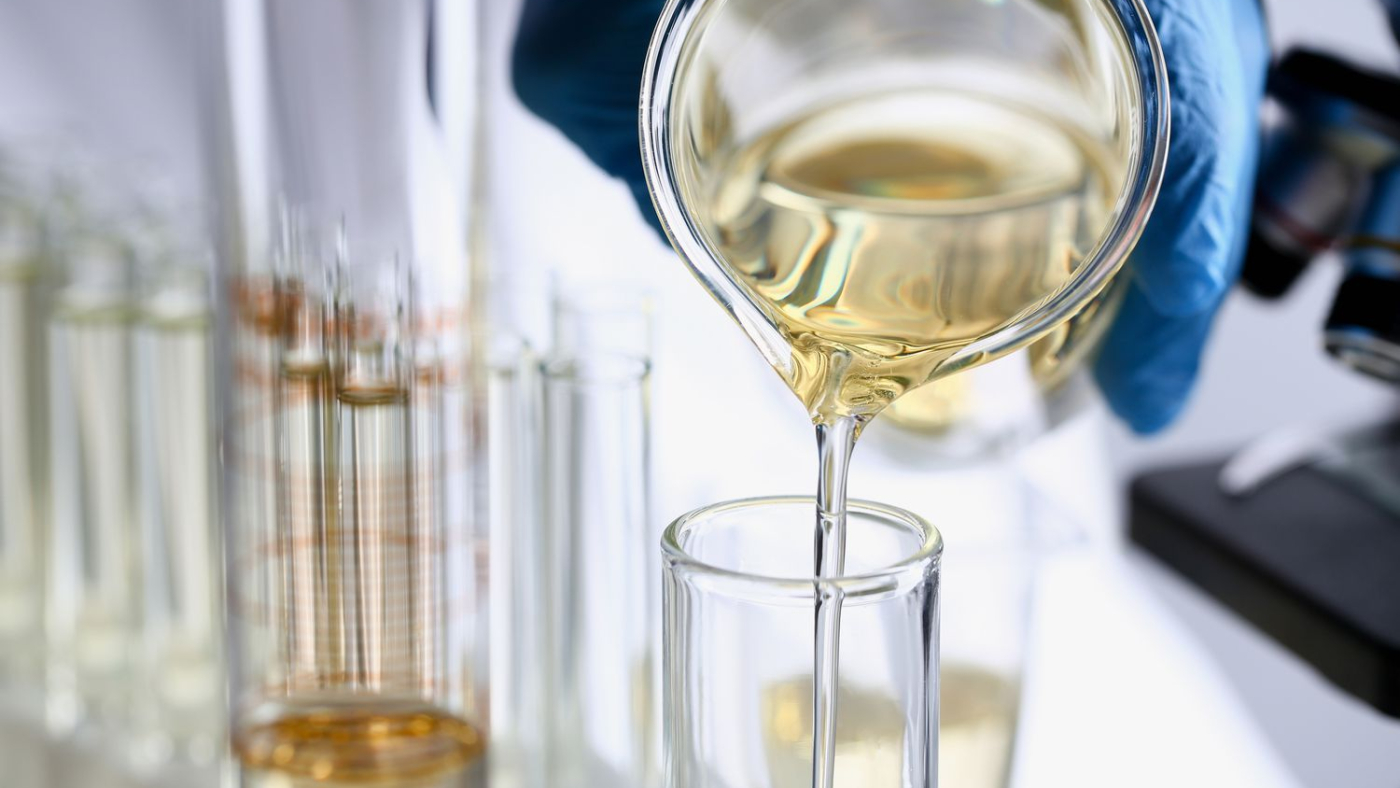
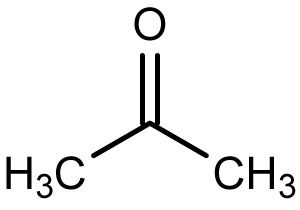
A solvent is a substance, usually a liquid, that is used to dissolve other substances (called solutes) to form a solution. Solvents are essential in chemistry, cleaning, manufacturing, and many industrial processes.
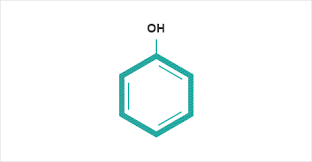
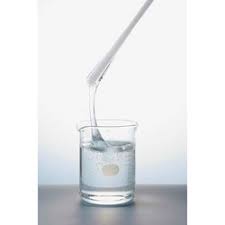
Polyvinyl Alcohol (PVA) is a water-soluble synthetic polymer made from polyvinyl acetate through a process called hydrolysis. It is known for its excellent film-forming, adhesive, and emulsifying properties.
PVA is non-toxic, biodegradable, and safe to use in many industries. One of its key features is that it dissolves in water, making it ideal for applications like water-soluble packaging, laundry detergent pods, and medical capsules.
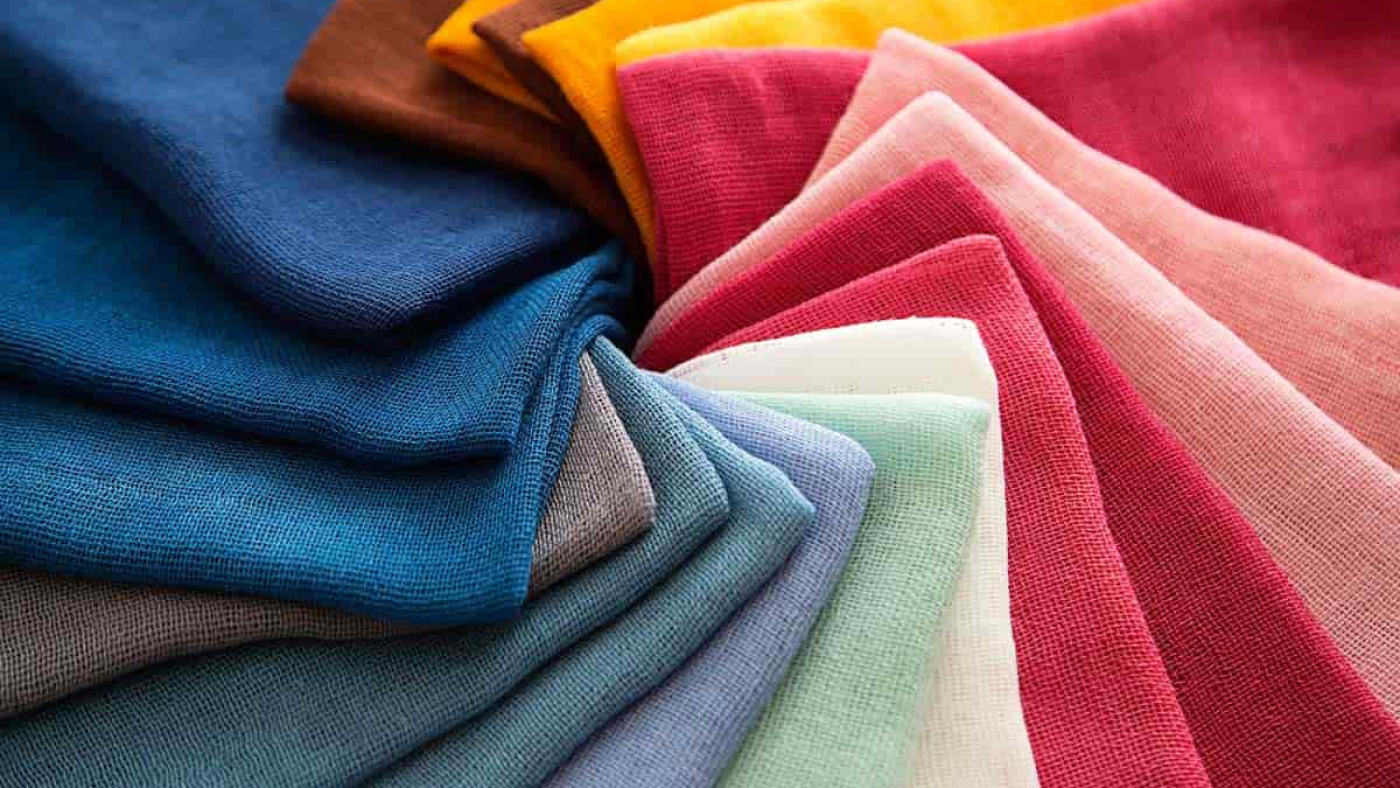
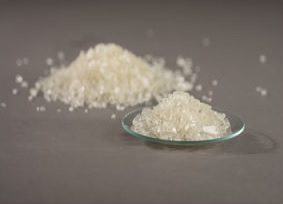
Polyester is a type of synthetic polymer made from petroleum-based chemicals. It is one of the most common materials used in the textile industry. The most well-known type is polyethylene terephthalate (PET), which is also used to make plastic bottles.
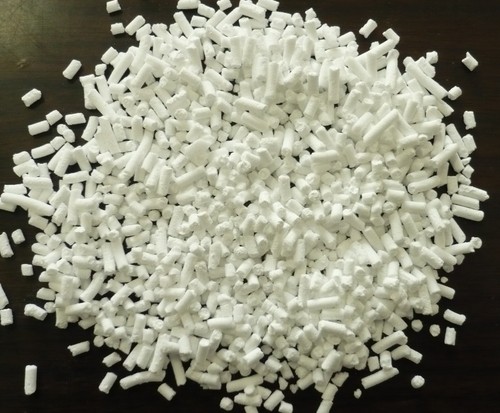
Melamine resins are a type of thermosetting plastic made by combining melamine with formaldehyde. This chemical reaction forms a strong, heat-resistant, and durable material. Once it is set, it cannot be melted again, which makes it ideal for many industrial and household uses.
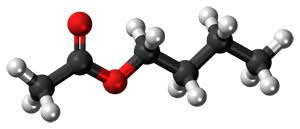
An ester is a type of chemical compound that is formed when an acid reacts with an alcohol. This reaction is called esterification. Esters usually have a pleasant, fruity smell and are often found in perfumes, flavorings, and essential oils.
In chemistry, esters are made by reacting a carboxylic acid with an alcohol, usually in the presence of an acid catalyst like sulfuric acid. The general formula of an ester is RCOOR′, where R and R′ are hydrocarbon groups.
Esters are widely used in everyday life. For example, ethyl acetate is an ester used in nail polish remover and glues. Many natural fruit flavors, like banana or pineapple, come from esters found in the fruit.
Esters are also important in making plastics (like polyester), biodiesel, and medicines. They are valued for their smell, solubility in organic solvents, and ability to evaporate easily.
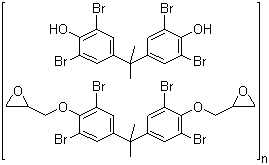
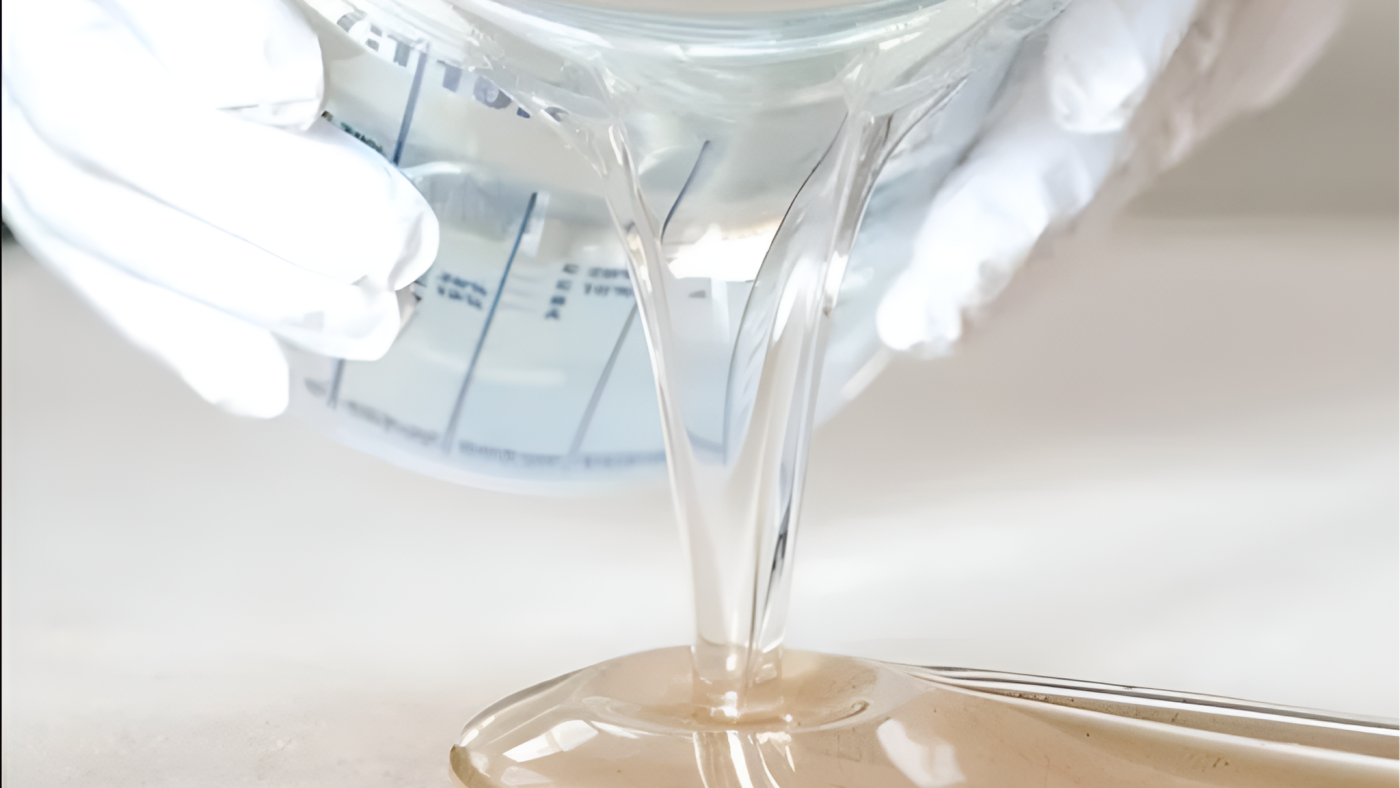
Epoxy is a type of synthetic resin used in a wide range of applications due to its strong adhesive properties, chemical resistance, and durability. It is created by mixing two main components: a resin and a hardener. When combined, they undergo a chemical reaction known as curing, which turns the liquid mixture into a solid, tough material.
Acrylic emulsion is a milky white polymeric emulsion, mainly produced with acrylic monomer undergoing polymerization, using an initiator in presence of emulsifier with water as a solvent. Acrylic emulsion possesses excellent adhesive and waterproofing properties, which can be used in the textile industry, such as for non-woven fabrics, flannelette blankets and lamination. Selected products can be used in civil engineering such as cement mortar, caulking and elastic cement, while other products can be used for coating material, such as indoor and outdoor water-based paint