
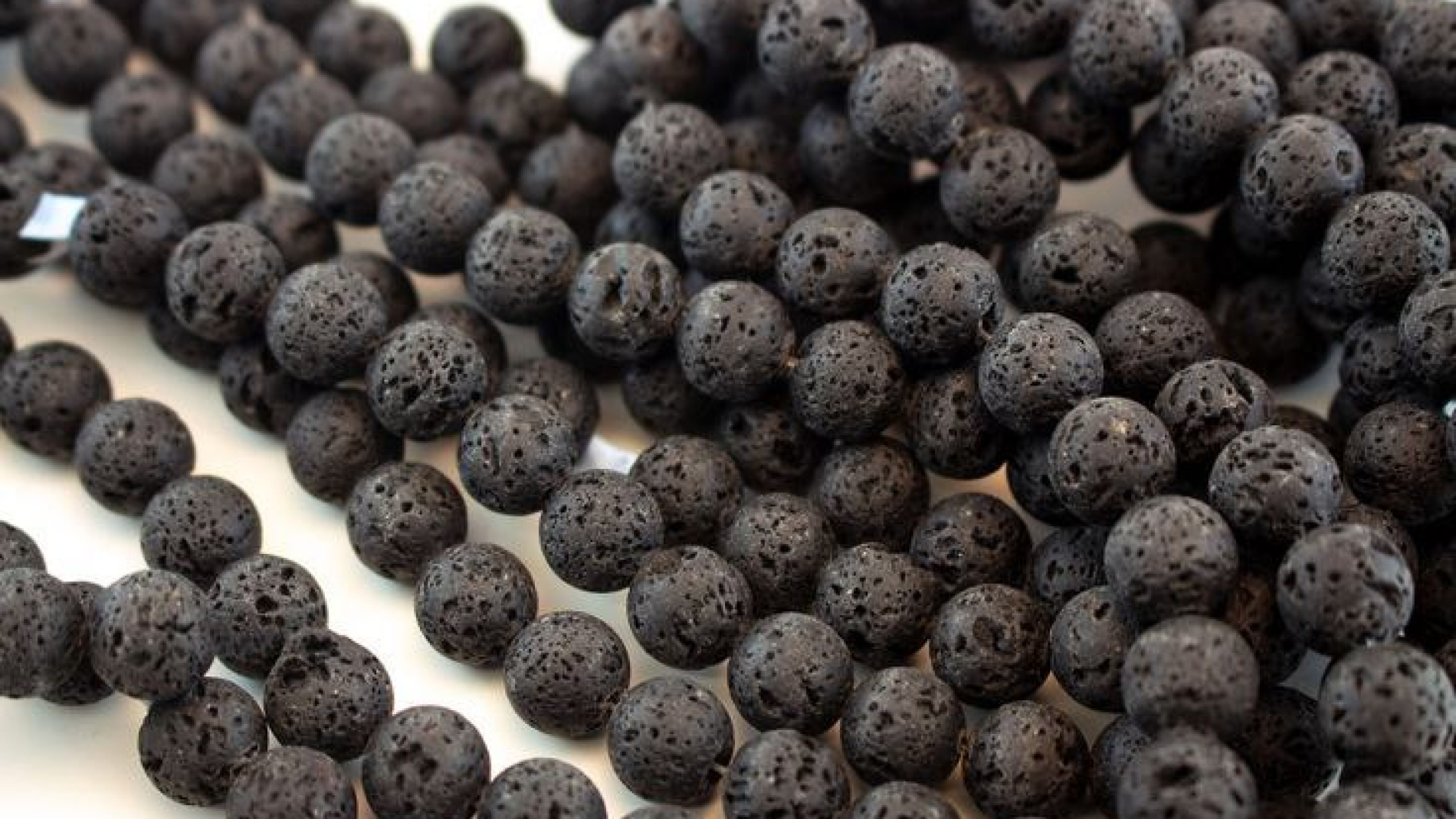
What It Is:
-
Porous iron (90–94% Fe) produced by chemically reducing pellets or lumps without melting, using natural gas or coal.
Forms:
-
DRI: Lumpy or powdery form, prone to rusting.
-
HBI (Hot Briquetted Iron): Compressed DRI for safer transport.
How It’s Produced:
-
Reduction:
-
Gas-based (MIDREX®/HYL): Pellets reduced using syngas (H₂ + CO) at 800–1,050°C.
-
Coal-based (Rotary Kiln): Common in India and China, using coal as the reductant.
-
-
Cooling:
-
The reduced iron is cooled to prevent re-oxidation.
-
Applications:
-
Electric Arc Furnaces (EAFs): DRI mixed with scrap to produce high-purity steel with low copper and other residuals.
-
Alternative to scrap: Especially important in regions with limited scrap supply, such as the Middle East.
-
Green steel: Has future potential through hydrogen-based DRI (e.g., HYBRIT project).
Top Producers:
-
Gas-based: Iran, Saudi Arabia, USA (using MIDREX plants).
-
Coal-based: India (the world’s largest DRI producer).
Comparative Summary
Product | Iron Content | Production Method | Key Use |
Concentrate | 60–70% Fe | Beneficiation of low-grade ore | Pellet feedstock, BF input |
Pellets | 65–72% Fe | Concentrate + induration | BF/DRI plants, shipping-friendly |
DRI | 90–94% Fe | Gas or coal reduction of pellets | EAFs, green steel potential |

Leave A Comment